

Episode six: What does the future hold?
Published Monday, December 21, 2020
2020 is cancelled – wait a second, what about 2021? Why is COVID still here? Remember at the start of 2020 when we thought this would all be over by September? Well unfortunately it looks like COVID-19 is hanging around for a bit longer. So, when will things start to improve?
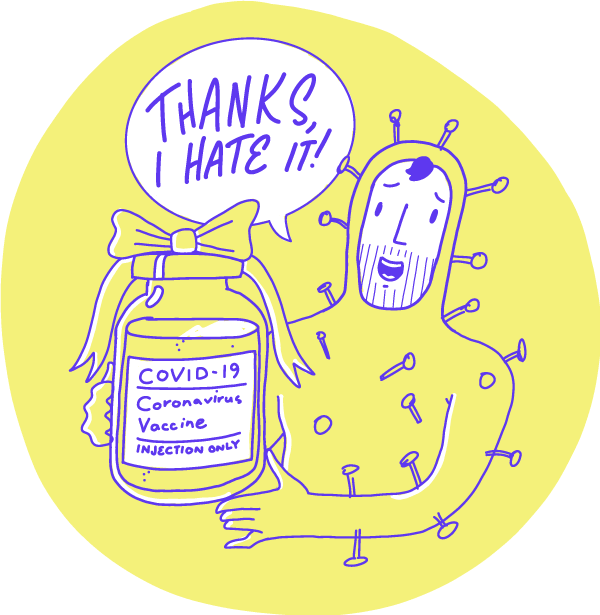
The good news is that it looks like survival rates for those that have COVID-19 have improved. We as a society are also getting better at knowing what works and what doesn’t work to slow the spread. This doesn’t mean we are in the clear but does mean we are starting to work out how to live with this virus and that we need to keep practicing all of those prevention measures.
And what about a vaccine, is that coming any time soon?
The response by vaccine scientists to developing a vaccine for COVID-19 has been amazing. Around the world over 200 vaccines are in development and some early results are looking very promising.
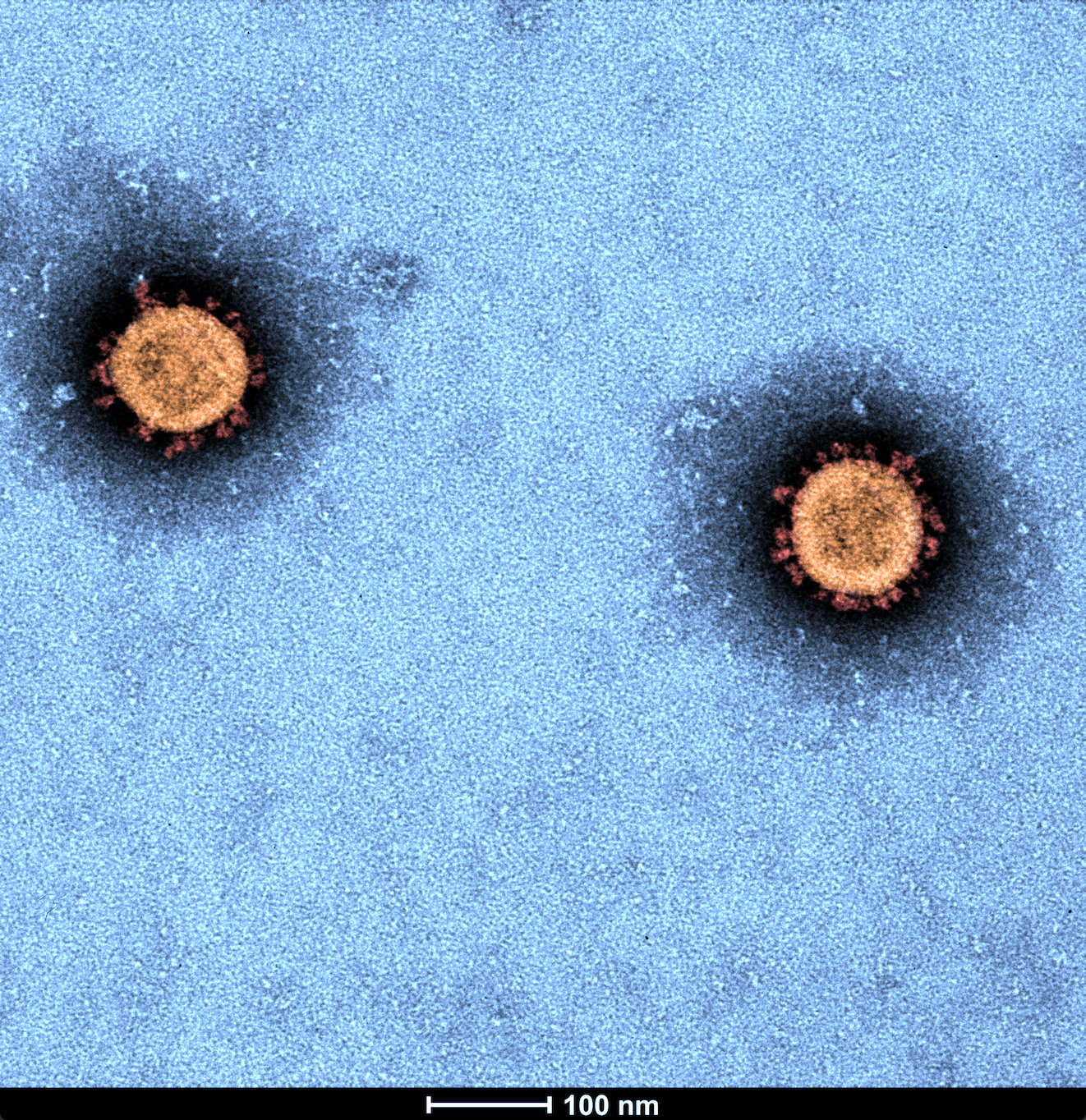
The way our bodies respond to viruses is incredibly complex and so developing a vaccine is challenging. There are a number of methods used to create vaccines. One of the more common methods is to take a virus or bacteria (although COVID-19 is caused by a virus) and weaken or inactivate it so that it is no longer able to replicate itself very well or at all. Another approach is to isolate protein fragments from the virus or bacteria. Proteins are present in all living organisms and are directly involved in the chemical processes essential for life. Some viruses have proteins that form part of the external structure such as the Spike protein that gives the SARS-CoV-2 virus its ‘spikey’ appearance.In addition to which friends you’re meeting up with, where you’re seeing them matters.
These Spike proteins are one of the things that our bodies use to identify a virus, so isolating this component can be used to train our immune system to recognise this important part of the virus. A newer technology is to take some of the genetic information from a virus or bacteria. These fragments or genetic information are then combined with other ingredients that keep the vaccine safe and effective.
By introducing these tiny components of the virus or bacteria into our body, vaccines are basically teaching our immune system in a safe way how to recognise these invaders, so that our body knows what to do in the case we are exposed to the real thing.

Vaccines go through a thorough process of testing and monitoring and this process is reviewed by public health officials to ensure that vaccines are safe for everyone in society. All of that said, humans are naturally social! How nice is it to see friends, relax and have a laugh. By socialising in a COVID-aware manner, we can make sure that transmission rates remain as low as possible, while still enjoying the company of friends.
The development of vaccines has resulted in the eradication and dramatic reduction of many diseases and alongside access to clean water is considered to be one of the biggest success stories in disease prevention. The complexity of tackling some diseases can be seen in the more limited success in controlling malaria, HIV and tuberculosis through vaccines. The news for COVID-19 is looking pretty positive. It looks like there are a number of vaccines that likely to result in a large reduction of COVID-19 in the world’s population with trial results showing some vaccines may protect up to 95% of people.

How we roll any vaccine out across the world raises some incredibly important ethical questions. Who do you think should receive the vaccine first? Eden? Healthcare workers? The elderly? There are also the logistical issues of producing enough vaccine for the 7.8 billion people on the planet and getting it to them.
It does look like vaccines will start to roll out sometime soon. In early December 2020, the UK announced it had given approval for the Pfizer/BioNTech vaccine.
So while there is some good news, we are likely to be dealing with some amount of the virus in our lives for some time. 2020 has been an interesting one. But we have also learnt a lot. And we are all getting better at learning to live with COVID.
Further links for those wanting to know more
How are vaccines developed?
FAQs about vaccines

Approved by Certified COVID Expert Professor Dale Godfrey
Godfrey is an NHMRC Senior Principal Research Fellow, Immunology co-Theme Leader at the Doherty Institute at University of Melbourne, a Past President of the Australasian Society for Immunology and Founding President of Melbourne Immunotherapy Network. He is currently involved in the production and testing of two vaccines for COVID-19.
 Share
Share
 Tweet
Tweet
 Pin
Pin
 Email
Email
 Share
Share
 Share
Share
