

Article six companion piece: How do vaccines work?
Published Wednesday, December 23, 2020
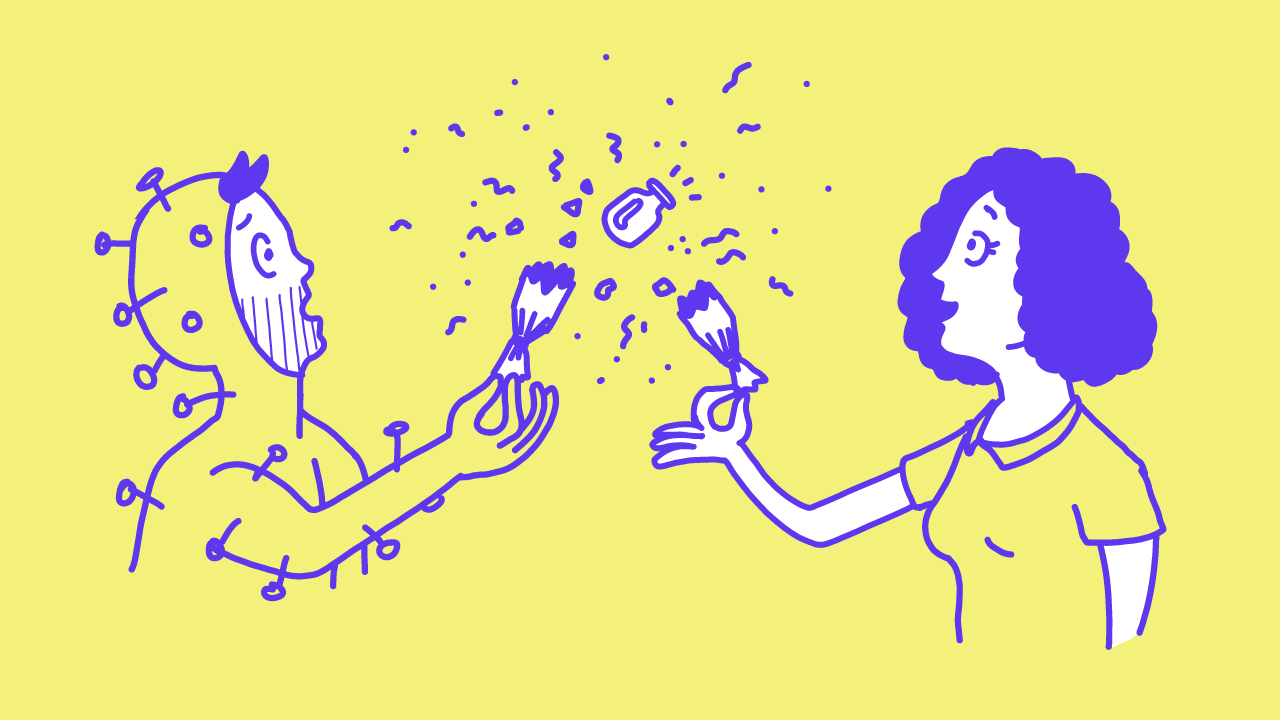
Vaccines for COVID-19 are on their way. But how do vaccines work? To start with, let’s consider how our bodies and immune system deal with infections and then how vaccines provide assistance in the fight against disease.
The world around us contains a wide range of potentially harmful organisms (pathogens). These pathogens can be viruses, bacteria, fungi or parasites which can cause disease. The job of protecting our body from infection by these pathogens is done by our immune system. The immune system is made up of intricately connected cells that work together to either kill the pathogen once they spot it, or to develop a system to remember it in case it comes back. If the pathogen comes back, the cells can either kill it more quickly, or stop it from infecting you altogether. Our immune cells are much better at dealing with the pathogen infecting us when they have seen it before.
There are a number of different immune cells, but the most important are those that recognize pathogens that we’ve encountered in the past. These are known as B cells. Once B cells have been taught the unique molecular signature of the pathogen invading you, they have the ability to detect and neutralize the pathogen before they infect our cells. They do this when other cells teach them the pathogen’s unique molecular signature. With this information, the B cells then produce specific Y-shaped proteins called antibodies that float around your body. When these antibodies come across the surface of an invading pathogen that they were made to remember, they lock onto it, which both neutralizes the pathogen’s ability to infect you and marks it for destruction by other immune cells.
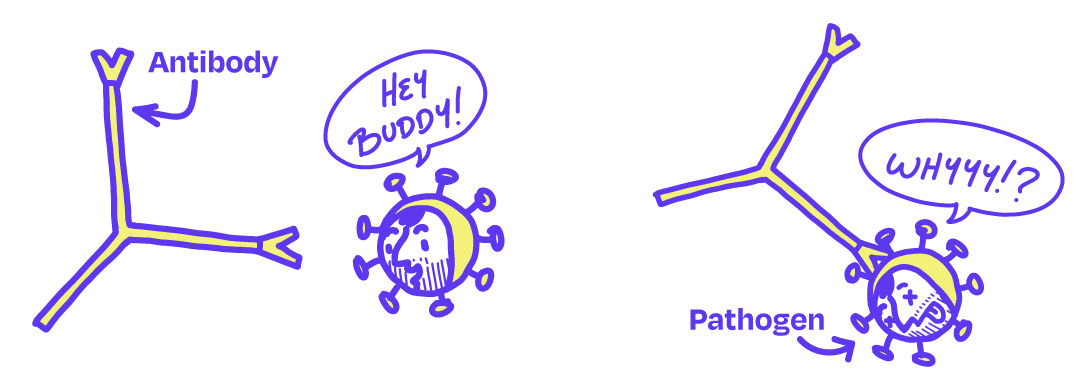
Vaccines provide a way to teach our cells the unique molecular signature of a pathogen so it can be recognised by B cells. To do this, vaccines contain elements that first activate your immune system, then the virus components are used to teach B cells to remember that bit of protein or genetic information.
Remember in the previous article we looked at how a COVID-19 vaccine will contain fragments of either proteins or the genetic information of the virus? Many researchers have tried different virus components to see what our immune system will remember the best. One of the easiest things for our immune system to recognise is those long spikey structures on the surface of SARS-CoV-2. In fact, these are named Spike proteins and they are how the virus attaches to cells that it will infect. So, a lot of the vaccines contain little bits of the Spike protein, to teach the B cells the pattern that they must remember. If your B cells then later encounter the SARS-CoV-2 Spike protein in your body, then they will produce the Y shaped antibodies that will attach to the virus surface and block the virus from infecting you.
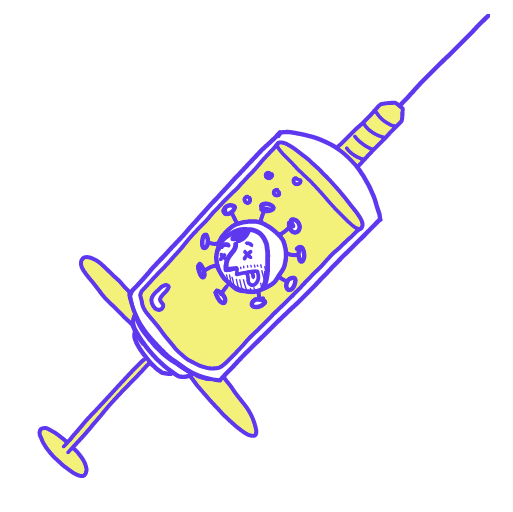
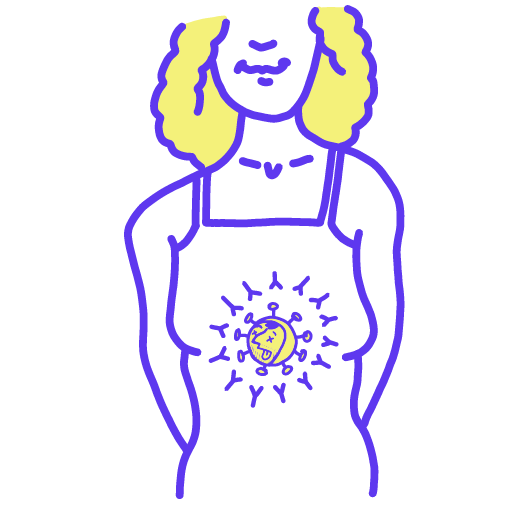
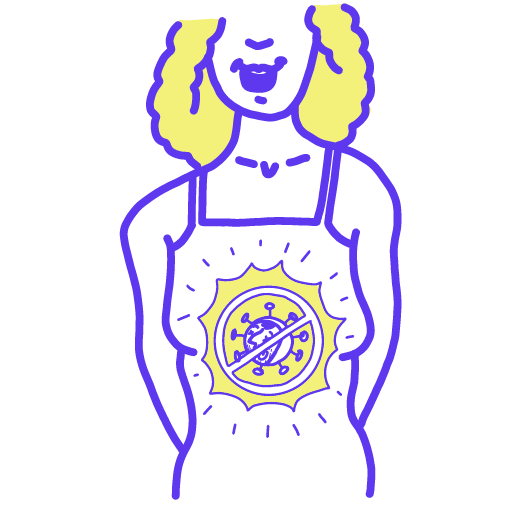
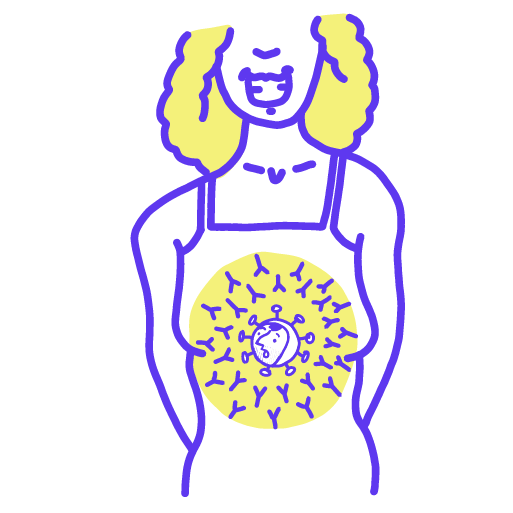
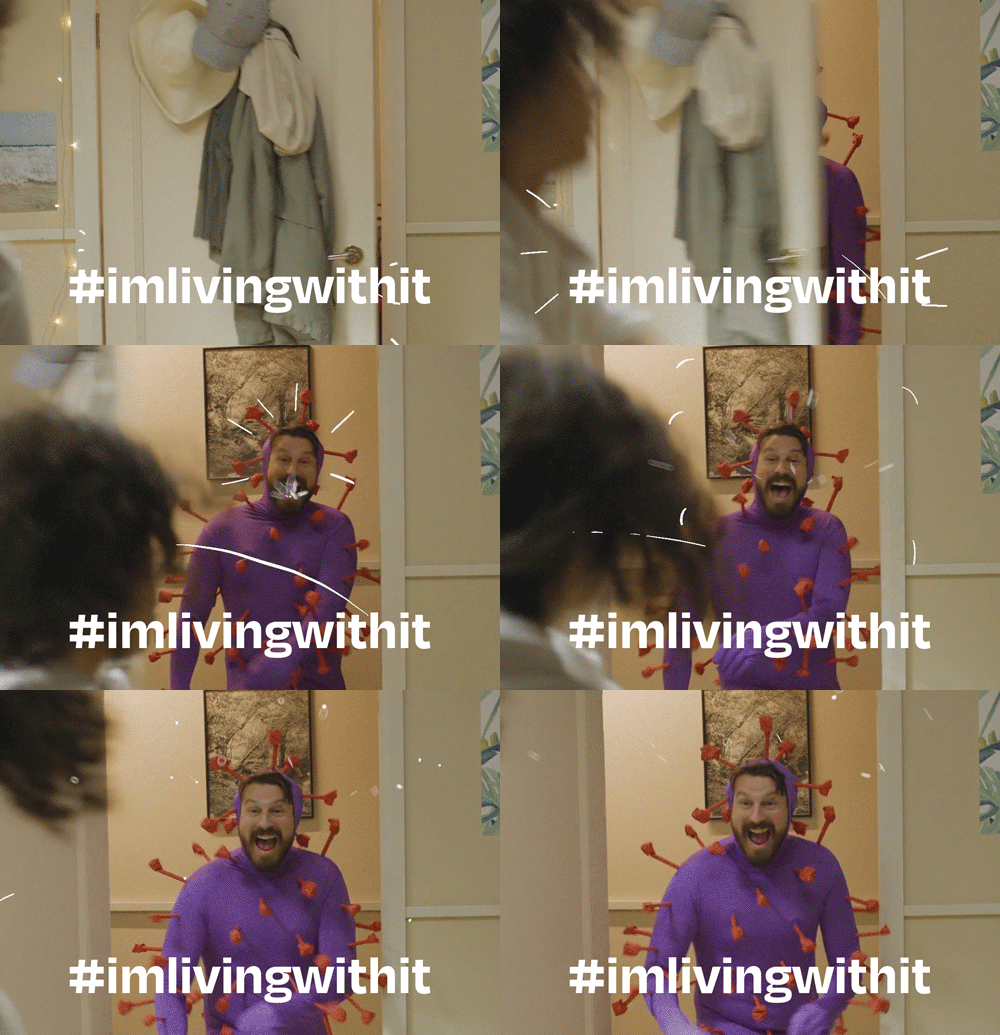
Because there are a number of methods by which vaccines can be produced and the SARS-CoV-2 virus is so new, it is difficult to know exactly how successful vaccines will be at preventing COVID-19. While it is possible that some of those in development will protect up to 95% of people there are a range of reasons that COVID-19 may still be with us to some extent, for some time. This is because the virus easily spreads from person to person. While you may be vaccinated, it doesn’t stop you from breathing it in, or from touching a SARS-CoV-2 contaminated surface. Plus, once you have had your vaccination, it can take a little time (around 2 weeks) for your B cells to develop a good memory. Sometimes, some vaccines require multiple doses, or a longer time to teach your B cells as best as possible. So before your B cells are able to remember the pattern that is unique to SARS-CoV-2, you can still carry the virus inside of you for a little while. Once your B cells remember, they can more quickly react, produce antibodies and neutralize the virus. Because your immune system reacts much more quickly when it is vaccinated, any small amount of virus trying to infect you that is missed by antibodies is then easily dealt with by other immune cells.

In order to stop the COVID-19 pandemic, we need to reach herd immunity. This is the point at which enough of the population has an immune system that remembers the virus, so that it gets quickly neutralized and stops spreading from person to person. Those that are immune then also protect those people in our community that are vulnerable, which includes young children who cannot be vaccinated and those people whose immune system is compromised. A compromised immune system is one that may not be able to be taught to recognise the virus. The ability for us to achieve herd immunity varies depending on how contagious a disease is. For COVID-19, mathematicians have estimated that more than 60% of Australians will need to have developed an immunological memory to the virus. Achieving this number will require as many healthy people as possible to be vaccinated. It is also extremely important that people, such as the elderly and those at high risk of having serious disease complications, be vaccinated too. In the meantime, we still need to stay safe by continuing our efforts to control the spread.
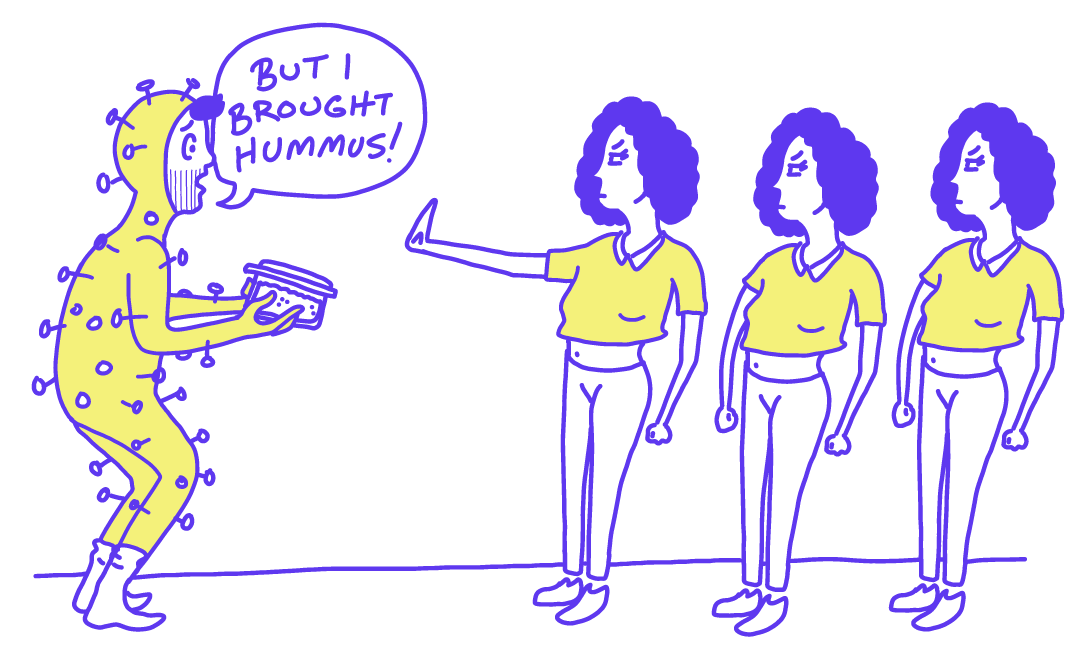
It sounds tricky, and vaccinating that many people won’t be easy, but we know we can do this because we have done it before. Thanks to people getting a vaccine against the virus that causes polio, a disease that would paralyse you, this nasty virus has been eradicated from causing infection in just about every part of the world. We’re sure this generation will also rise to the challenge and do their part to beat COVID-19, whether it be by getting yourself vaccinated, or by keeping isolated if you have been infected. Together we can stop this pandemic in its tracks!
Approved by Certified COVID Expert, Dr Julie McAuley
Dr Julie McAuley: Julie is the lead scientist and manager of a dedicated Doherty Institute COVID-19 research laboratory. She is an expert in understanding respiratory virus infection and the disease it causes, including studying the past influenza pandemics of 1918, 1956, 1968 and 2009. Her work is now focused on understanding COVID-19 and finding effective vaccines, treatments and ways we can stop this pandemic.
 Share
Share
 Tweet
Tweet
 Pin
Pin
 Email
Email
 Share
Share
 Share
Share
