

I have COVID-19, what should I do?
What should you do if you test positive for COVID-19? There are a couple of important things we need to cover here. The first is your health. The second is how you can help prevent spreading COVID-19 to others. Let’s address these one at a time.
Your health
Many people who have COVID-19 have a mild illness and can recover at home. Make sure you look after yourself over this time. Drink plenty of water and rest.
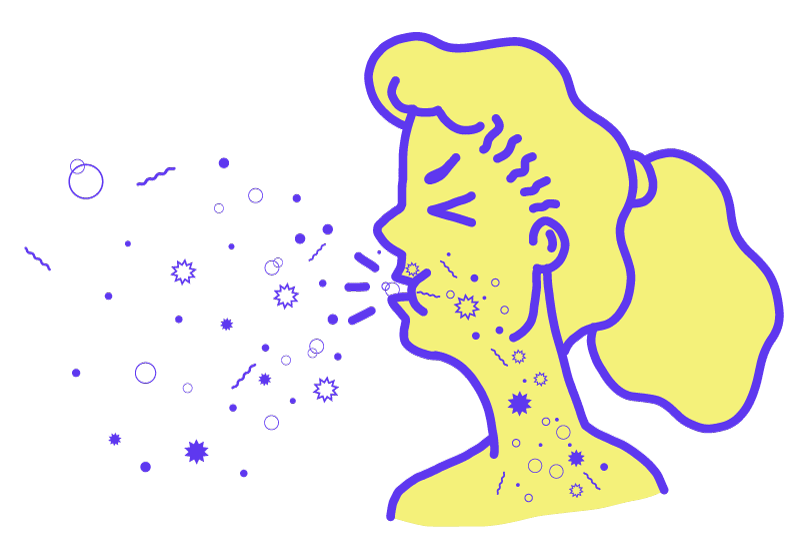
Stay in touch with your doctor and talk to them about how you are feeling and about whether there is any over the counter medication you can take.
Monitor your symptoms. Remember the symptoms that were covered on this page. You may experience some of these.
If you start to feel unwell or your symptoms become worse you should either:
Call the Coronavirus hotline 1800 020 080
Call your doctor/GP.
If you have serious symptoms, such as difficulty breathing, call triple zero (000).
Make sure you always let the person on the other end of the phone know that you have COVID-19.
How can you help prevent spreading COVID-19 to others.
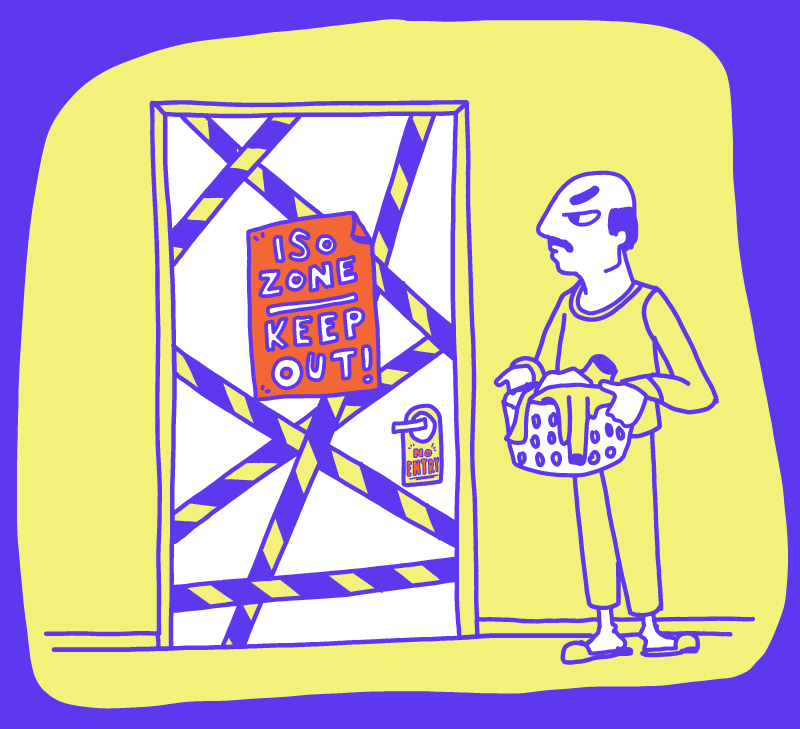
You will be asked to isolate, so what does this mean? Isolate, or ‘iso’, may sound daunting, complicated or even confusing at times. But the evidence is that this is the best way of getting better and not spreading the disease any further.
Each Australian state has developed a set of instructions that will help you understand what to expect throughout isolation as well as the rules and requirements.
You can also check restrictions in all states and territories using the COVID-19 Restriction Checker. Seek advice from the COVID hotline if you are confused, or finding it difficult, or have any questions. We certainly want you to be able to isolate safely.
The main aim of public health measures are to help us all prevent spreading COVID-19. The main points are:
If you have tested positive to COVID-19 you must stay at home and isolate until a government representative tells you that you can leave. This takes around two weeks.
A government representative will also contact you to ask who you have been in contact with. This helps them to help these people.
As much as possible stay away from others in your family and be careful of hygiene (more hand-washing and masks) when in shared spaces at home.
If you need to leave your house because you are in danger you can do so. You can also leave your house if you need to attend a hospital emergency department.
You and your family form the basis of a social group that can work together to protect others by following the guidance.
But don’t forget to check your health department website for a full explanation.

Approved by Certified COVID Expert,
Professor Lena Sanci
Lena Sanci is a general practitioner with a special interest in young people’s health and a Professor in the Department of General Practice University of Melbourne. Her research and teaching at the university is about making health services more welcoming and effective at managing young people’s mental and physical health and wellbeing.