

Episode three: How can I protect myself?
Published Monday, November 30, 2020
Okay, we’ve worked out we can get COVID-19 from infectious droplets in the air and from surfaces. What can we do to protect ourselves from contracting COVID-19? Although we don’t encourage you to get around in a hazmat suit, there are some really effective ways to limit your exposure without turning your life upside down.
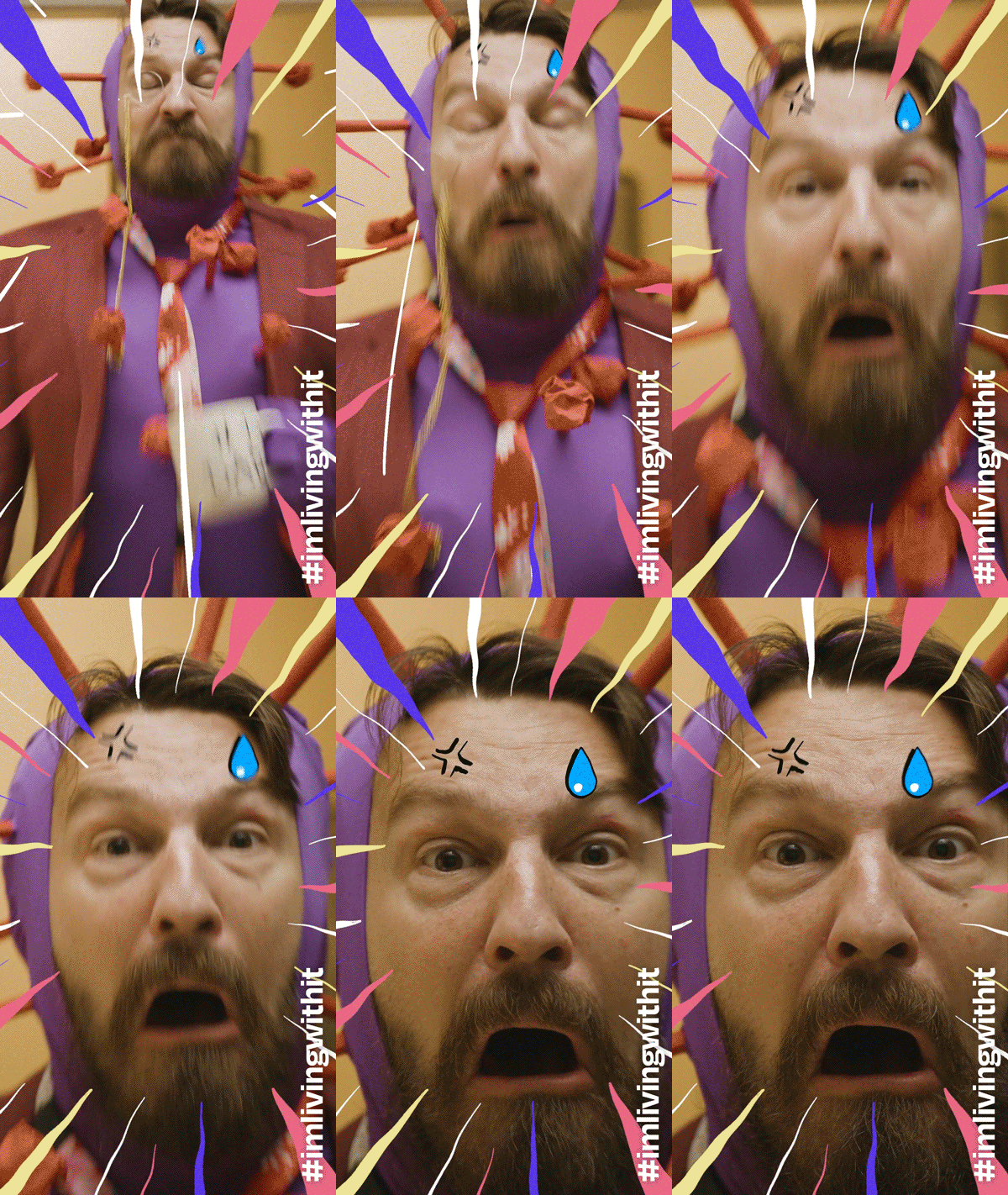
COVID-19 is spread when an infected person releases droplets into the air. Remember that ‘How does COVID-19 Spread’ episode? That means that the best way we can protect ourselves is to limit the ability for those droplets to enter our body.
The simplest way we can do this is to reduce our contact with other people, just in case we do come in contact with someone who is infected. This is not always easy though as there are things to be done, places to go, people to see and so when we do head out there are measures we can put in place to reduce the risk.
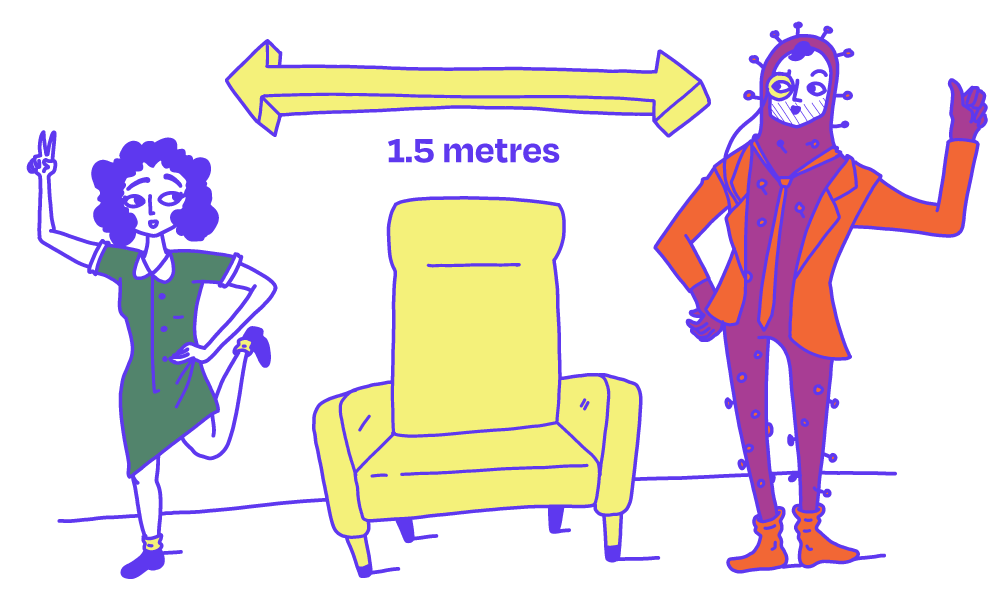
Keeping some physical distance from other people and wearing a mask will reduce the risk of transmission from infectious droplets. Try to stay 1.5 m apart from others. This also means being careful with physical contact.
Scientists have also shown that opening windows and creating air flow can dramatically reduce the spread of COVID-19, along with decreasing time indoors with lots of people. In short, open the windows or better yet, head outdoors!
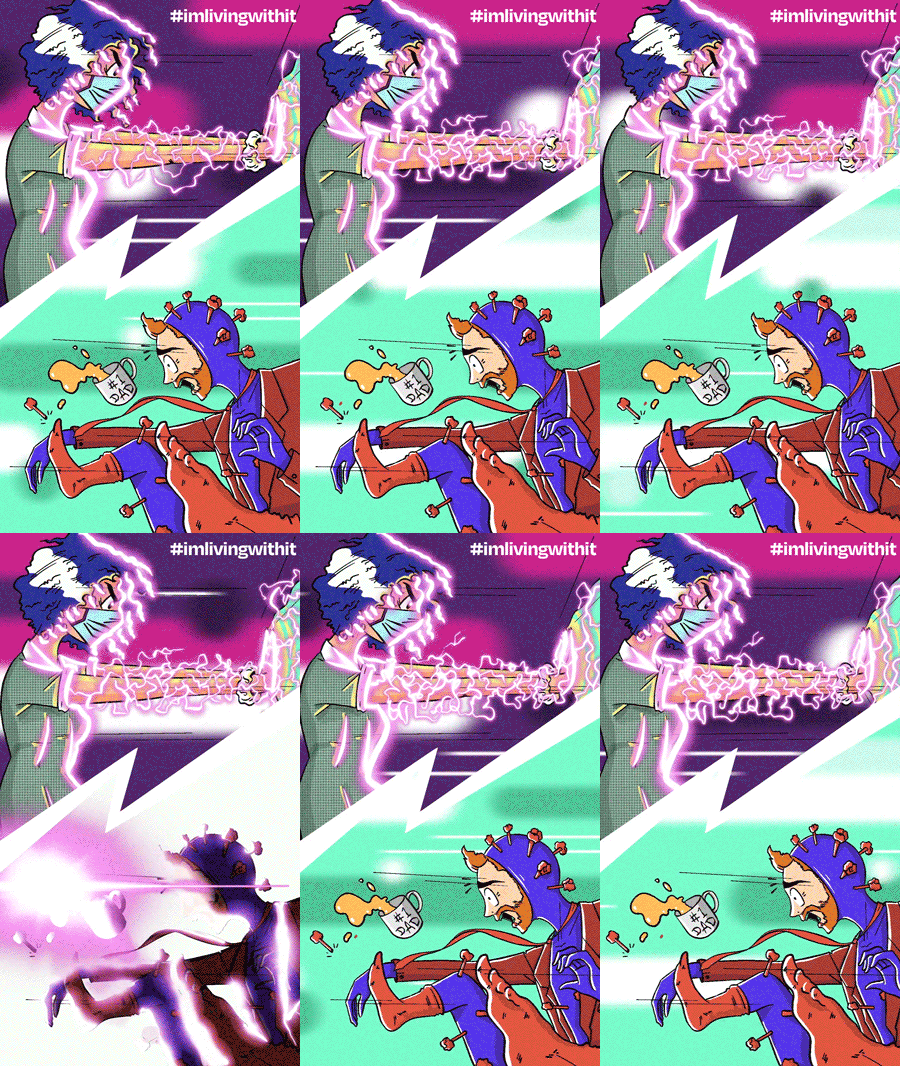
And of course don’t forget to wash your hands throughout the day. If you touch an infected surface and then your face, the virus can make its way inside your respiratory system through your eyes, nose and mouth. That’s why there are people going around wiping traffic light buttons so often, and why tables at school have to be cleaned more these days.
So, we’ve talked about reducing contacts, keeping your distance, wearing masks, ventilation and washing your hands. These actions can all work together to prevent spread, as shown in this diagram.
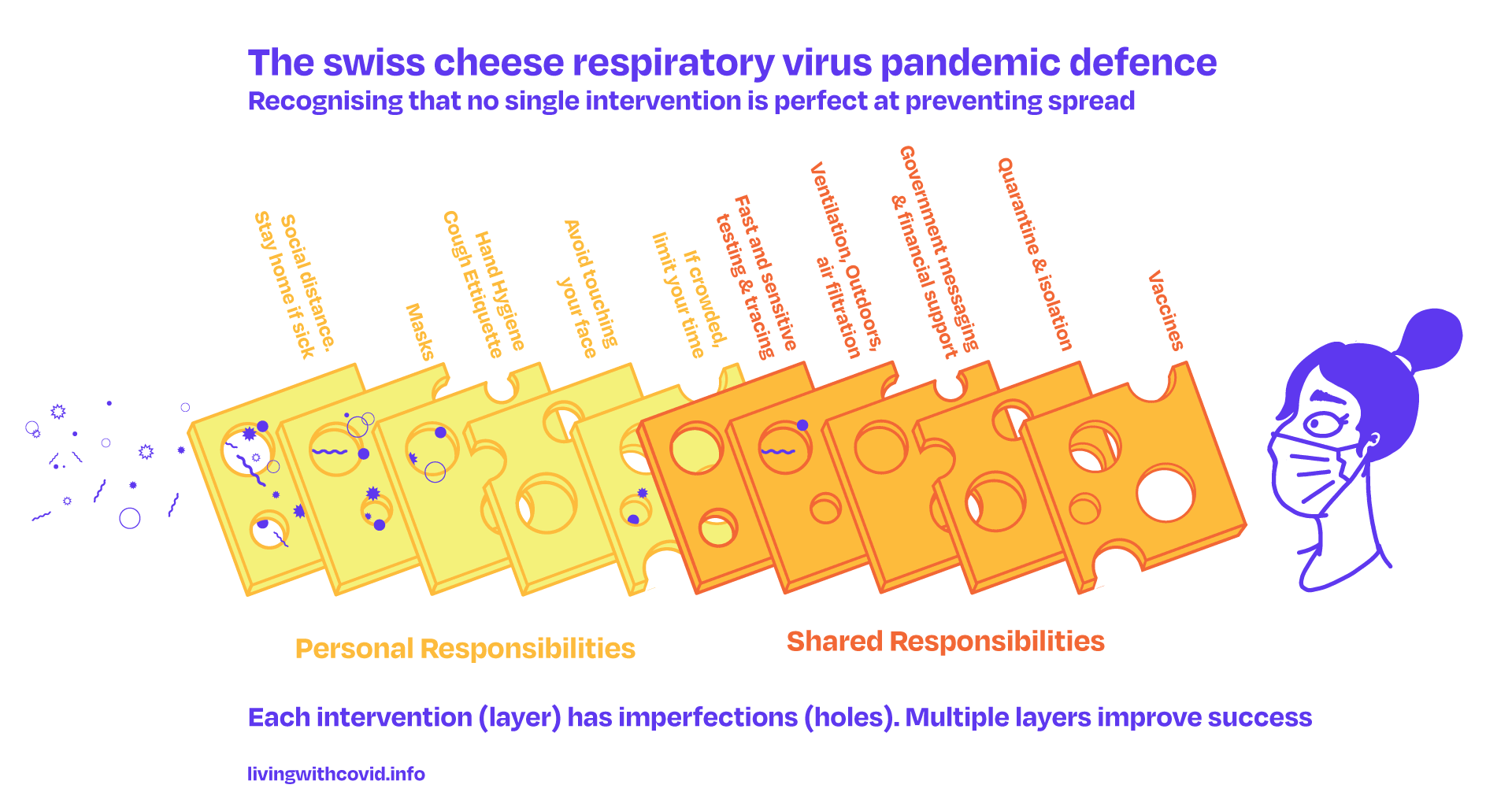
Individually, none of the methods are perfect and we know these things are a little uncomfortable and at times awkward... BUT this will help reduce the risk that you contract COVID-19 and protect others by helping to reduce the spread.
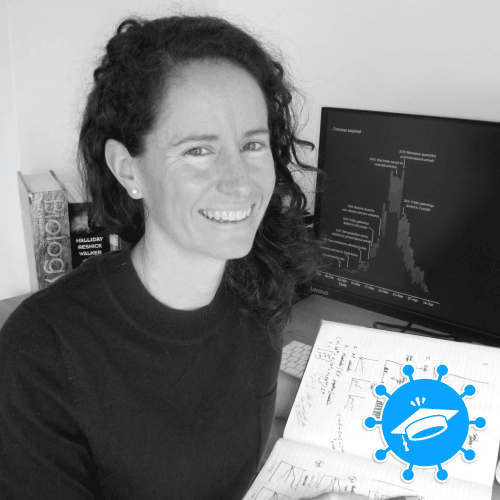
Approved by Certified COVID Expert,
Dr Freya Shearer
Freya is an infectious disease researcher in the School of Population and Global Health at the University of Melbourne. Her primary research interest is in the use of models of infectious disease as tools for public health decision-making.
 Share
Share
 Tweet
Tweet
 Pin
Pin
 Email
Email
 Share
Share
 Share
Share
