

Episode one: What are the symptoms of COVID-19?
Published Monday, November 23, 2020
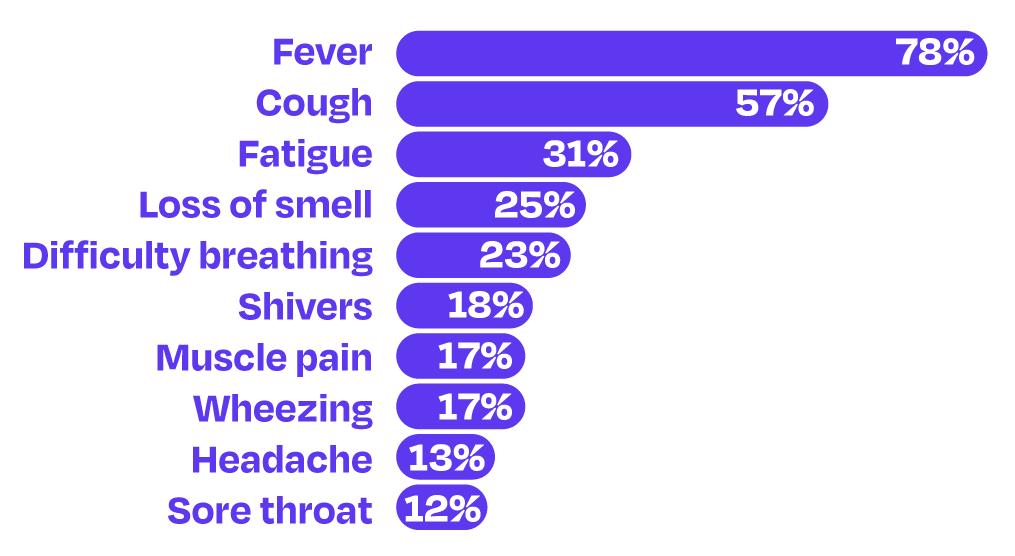
Remember the days when coughing wasn’t such a big deal? Now, thanks to COVID-19, it seems you can’t even think about coughing without being a bit nervous. What does that cough mean? Fortunately, doctors and scientists have identified a range of COVID-19 symptoms. A symptom can be thought of as a feeling or bodily function that isn’t normal for you. The graphic below shows some common COVID-19 symptoms.
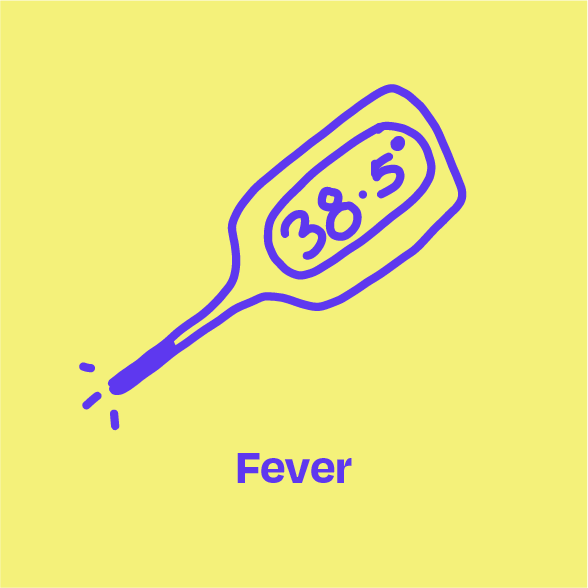
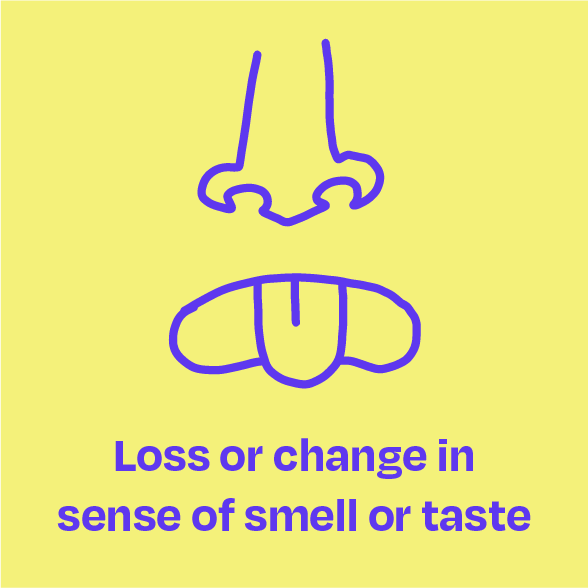
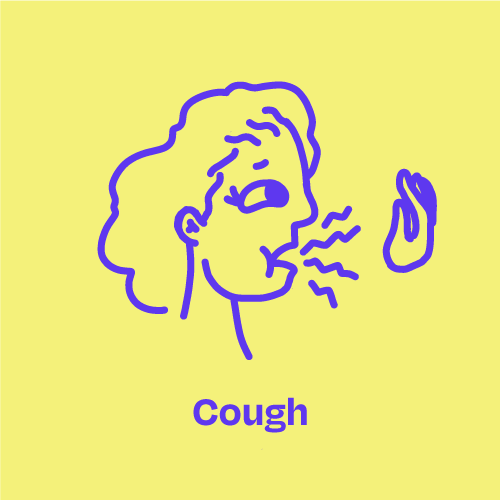
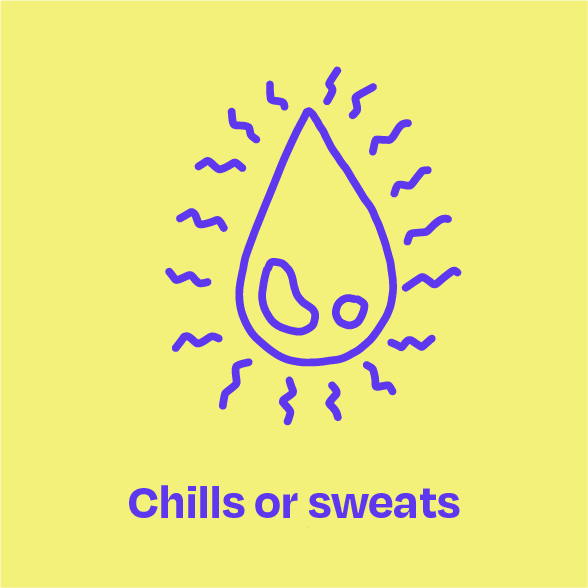
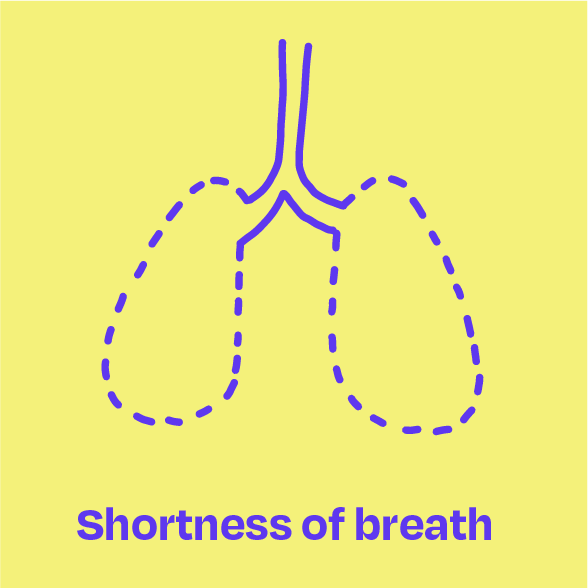
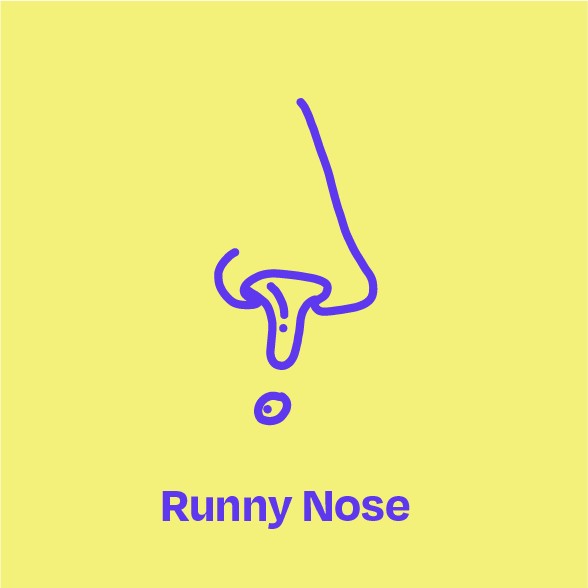
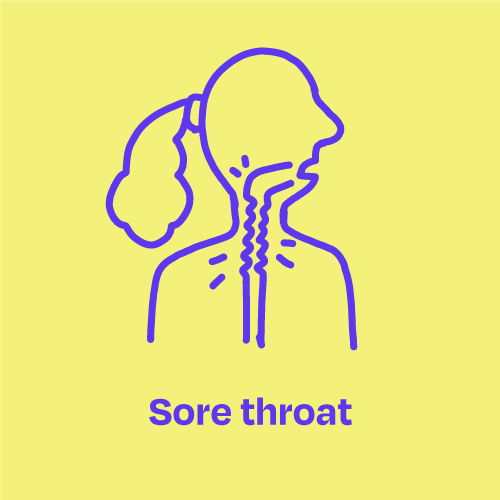
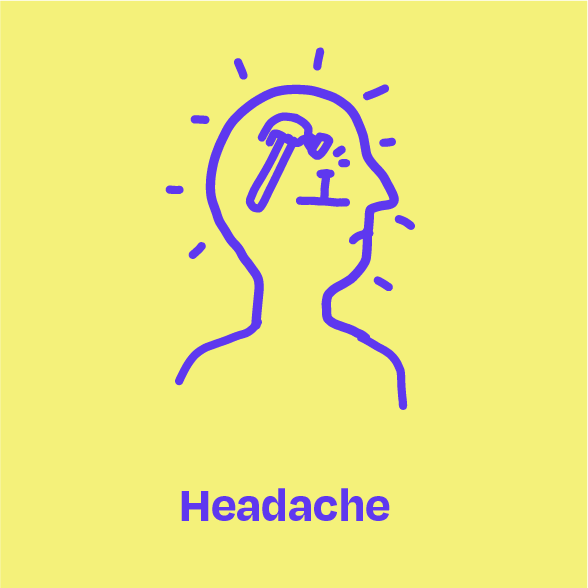
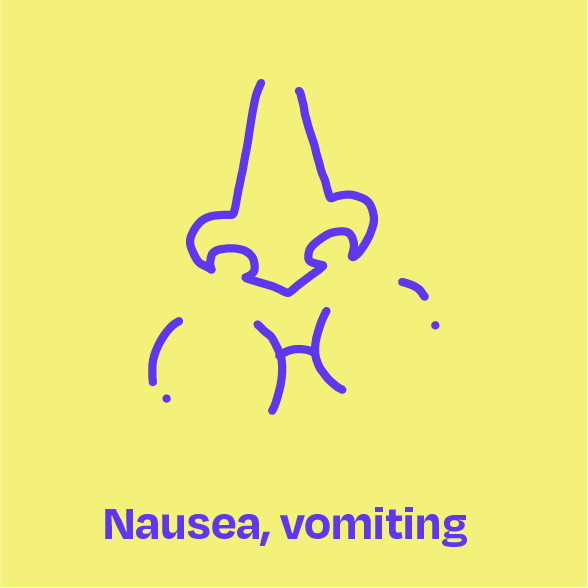
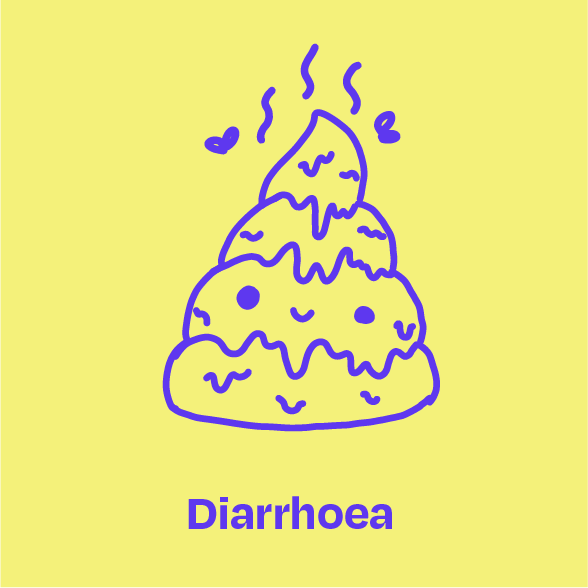
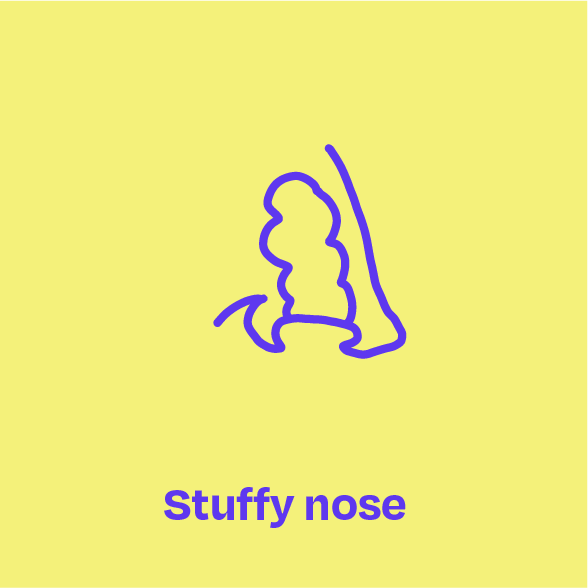
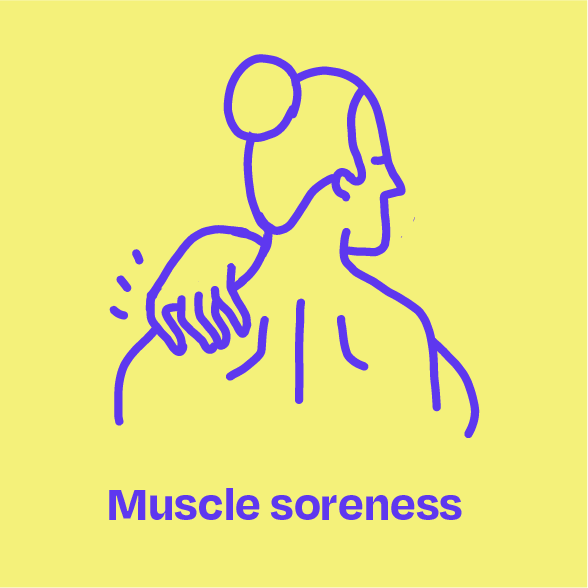
Maybe you feel tired running for the bus, or you have a tickle in your throat that won’t go away, or you feel off your food. The chart below shows how common each of the symptoms were for a set of COVID-19 cases from a range of countries across the world. For example, just under 80% of people with COVID-19 had a fever, but only just over 10% had a sore throat. So you can see that symptoms affect different people in different ways.
How common is each symptom of COVID-19?
For many of us this may feel overwhelming, but it is important to be aware of what is happening to your body. Even if you experience some of the less common symptoms, like fatigue, a sore throat, or aches and pains, it is worth being careful. If you have any of these symptoms, we recommend you go and get tested at your local testing centre.
A few minutes getting tested, and receiving your result, will reassure you. And may turn out to be essential for you, your family, and community if it turns out you have the virus. Don’t forget to self-isolate while you wait for your results - Isolating can be tricky, so ask for advice when you get tested.
Another strange thing about COVID-19 is that some people are asymptomatic, which means they have the virus but don’t show any of these symptoms. It is possible that asymptomatic people can still spread the virus so to be on the safe side it is always worth doing the following:
Keep some physical distance from others.
Cover your mouth when coughing/sneezing (it is best to cough into your elbow).
Wash your hands after coughing/sneezing/touching your face - in fact, wash your hands often throughout the day.
Wear a mask when required. Especially in public indoor spaces and where you can’t distance from others.
Check in with yourself and your body to see if you have any of the symptoms of COVID-19 and get tested if you do. If you aren’t sure about your symptoms call the National Coronavirus Help Line (1800 020 080) or see a doctor.
We’re here to keep you up-to-date with the best facts and to empower you to take the necessary actions to stay healthy, feel good, and keep you and those around you safe. At the end of the day, we are all learning to live with COVID-19.

Approved by Certified COVID Expert,
Dr. Vyom Sharma
Dr Vyom Sharma is a GP in Melbourne, focusing on the care of students and young adults. He is a co-host of Radiotherapy, a radio show on healthcare on RRR FM, and is a regular media commentator on the COVID response.
 Share
Share
 Tweet
Tweet
 Pin
Pin
 Email
Email
 Share
Share
 Share
Share
